
#image_title
 1
1
 0
0
The Mountain West has been one of the most competitive and stylistically diverse conferences in the country this season. Elite guard play, veteran frontcourts, and contrasting defensive philosophies have shaped a league where preparation matters and consistency separates contenders from the pack.
With conference play complete, the awards conversation shifts from projections to impact. Who forced defensive adjustments every night? Anchored elite units? Elevated their program? Maximized expectations?
Here are our selections for the 2025–26 Mountain West basketball awards.
Mountain West Player of the Year
Dravyn Gibbs-Lawhorn, UNLV
The Mountain West Player of the Year race often centers on efficiency and team success. This season, however, the strongest case belongs to the player who consistently dictated defensive game plans across the conference.
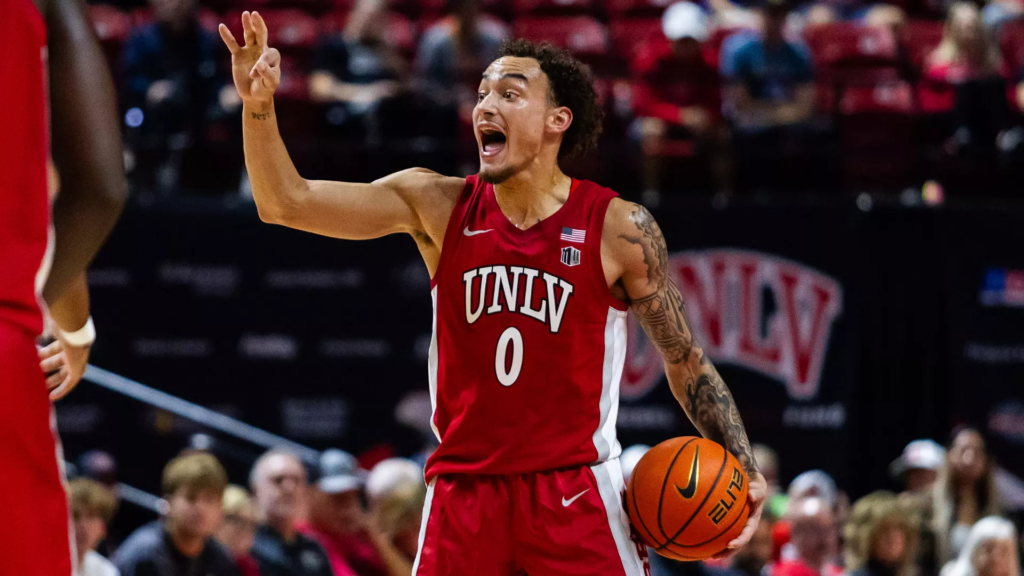
Dravyn Gibbs-Lawhorn led the league in scoring at 22.76 points per game while shooting an efficient .535 from the field. That blend of volume and control is difficult to sustain, particularly for a player carrying primary offensive responsibility. He averaged 3.35 made three-pointers per game, stretching defenses beyond the arc while remaining a consistent downhill threat in half-court action.
What separates Gibbs-Lawhorn in this race is the attention he commands. Opponents routinely assign their best perimeter defender to him, hedge aggressively in ball-screen coverage, and send early help to limit his rhythm. Despite that pressure, his production has remained steady. His scoring is not manufactured in space; it is earned against prepared defenses.
Player of the Year should reflect the individual who most directly alters how the league plays. Gibbs-Lawhorn’s offensive gravity shifts coverage, creates driving lanes, and stabilizes late-game possessions. In a conference filled with capable scorers, he has been the most difficult to neutralize.
Mountain West Defensive Player of the Year
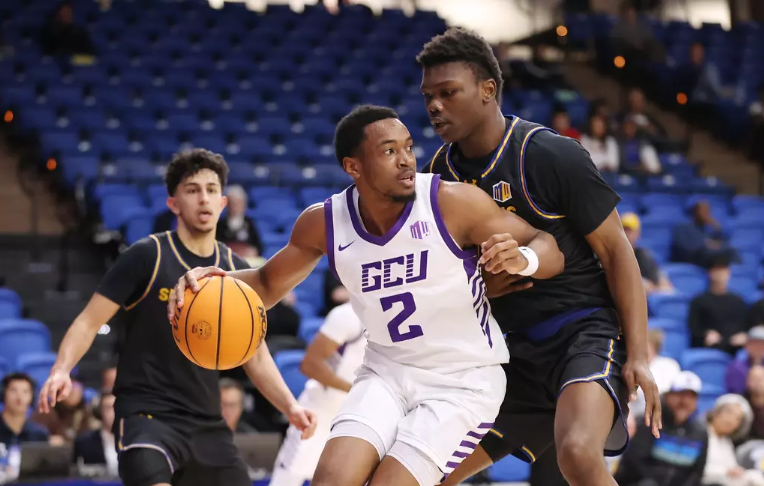
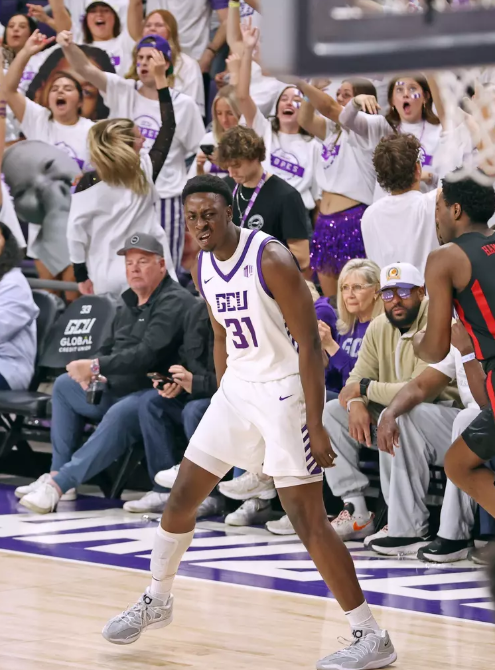
Nana Owusu-Anane, Grand Canyon
Defensive awards are often reduced to blocks or rim protection, but the modern Mountain West rewards versatility and disruption across multiple phases.
In conference play, Nana Owusu-Anane averaged 1.88 steals per game, an elite figure for a frontcourt defender. He added 0.88 blocks per game, secured 6.12 defensive rebounds per game, and secured 2.12 offensive rebounds per game, forming one of the most complete defensive stat profiles in the league.
To contextualize that production, we applied a conference-only Defensive Impact Rating (DIR), calculated as:
DIR = (2 × SPG) + (2 × BPG) + DREB
For Owusu-Anane:
(2 × 1.88) + (2 × 0.88) + 6.12
= 3.76 + 1.76 + 6.12
= 11.64
That score reflects multi-level disruption — not dominance in one category, but consistent impact across several. He pressures passing lanes without sacrificing structure, protects the rim while maintaining switchability, and consistently finishes possessions on the glass. That versatility allows Grand Canyon to defend aggressively while remaining disciplined.
The Lopes have been one of the stingiest defenses in conference play, allowing just 68.47 points per game. That consistency reflects collective execution, and Owusu-Anane has been central to that identity. While other candidates may specialize in rim protection or rebounding, his value lies in affecting the widest range of possessions.
Mountain West Coach of the Year
Steve Alford, Nevada
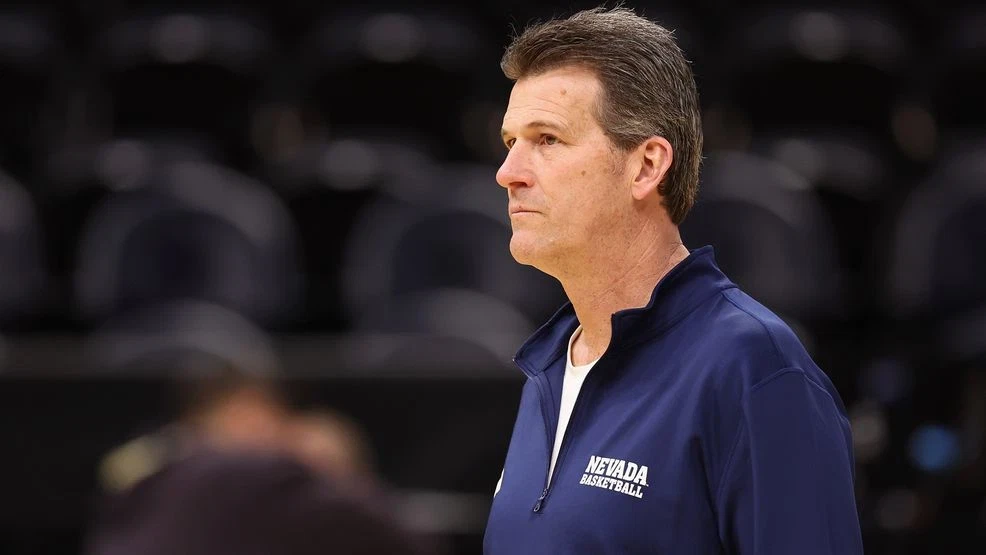
Coach of the Year should reward the leader who most effectively maximizes roster talent while establishing a clear identity. This season, that distinction belongs to Steve Alford.
Guiding Nevada this season with a pre-season #7 vote, Alford has maintained the program’s competitiveness while reinforcing structural discipline. The Wolf Pack currently sits at 11-6 in conference play and remains firmly in the upper tier of the standings despite the challenges that typically accompany transfer portal woes. Most notably, the loss of Nick Davidson last season, who was their leading scorer and rebounder.
Nevada’s success has been built on interior presence and defensive reliability. The Wolf Pack have excelled on the glass, anchored by one of the conference’s top defensive rebounders, and remained steady in half-court execution. That balance reflects preparation and system clarity rather than reliance on isolated scoring bursts.
The NIL era often comes with volatility. Under Alford, Nevada has demonstrated cohesion and consistency. The team has maintained identity, competed nightly, and positioned itself as a factor in the conference race.
Coach of the Year should recognize leadership that produces structure and stability while sustaining competitiveness. In 2025–26, Steve Alford has delivered exactly that.
Mountain West Newcomer of the Year
MJ Collins, Utah State
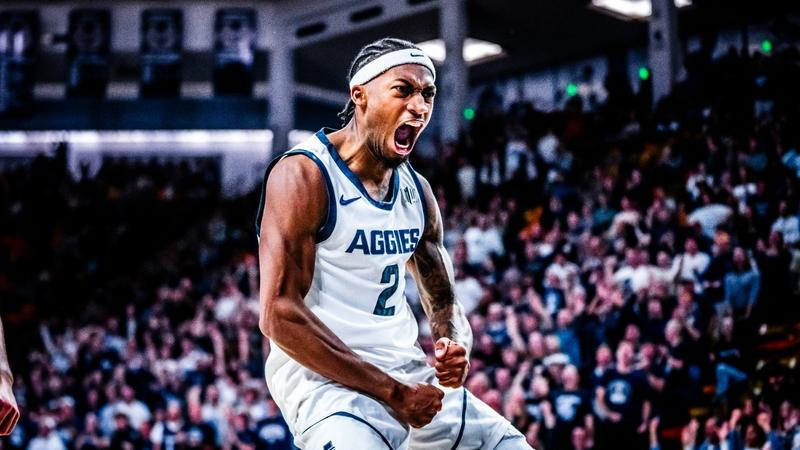
Newcomer of the Year should reward impact within a winning framework. MJ Collins started the season for Coach Calhoun, coming off an injury after just 1 game at Vanderbilt last season.
Collins has been Red Hot for the Aggies and had himself a case early on for Mountain West Conference POY. Still, the recent decline in overall volume due to the meteoric rise of Mason Faslev has tempered expectations for some fans. Still, his 18.1 points, 2.2 rebounds, and 1.2 assists per game have been a key reason for the overall success of the Utah State Aggies.
Stepping into a featured role is rarely seamless, especially coming off an injury. The transition from injury to star was evident in Logan this season.
Mountain West Freshman of the Year
Jake Hall, New Mexico
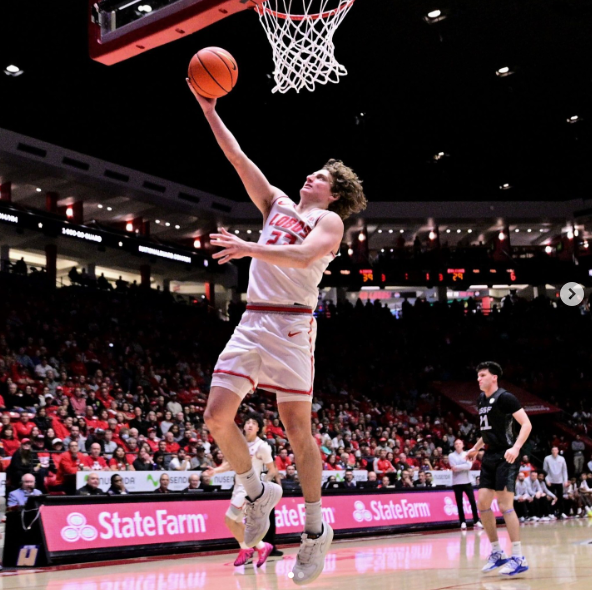
Freshman of the Year is about readiness as much as upside. Jake Hall arrived prepared.
Hall shot .477 from three-point range in conference play (53 makes in 17 games), emerging as one of the most dangerous perimeter threats in the league. His shooting forces extended defensive coverage, creating space within New Mexico’s offense. To add onto the 17.12 points per game and the 31.55 minutes per game played, the readiness and upside were evident from day 1.
For a freshman to command that level of respect in a veteran-heavy conference speaks to poise and confidence. Hall has not been a situational contributor; he has been a structural piece in a competitive roster.
Mountain West Sixth Man of the Year
BJ Davis, San Diego State
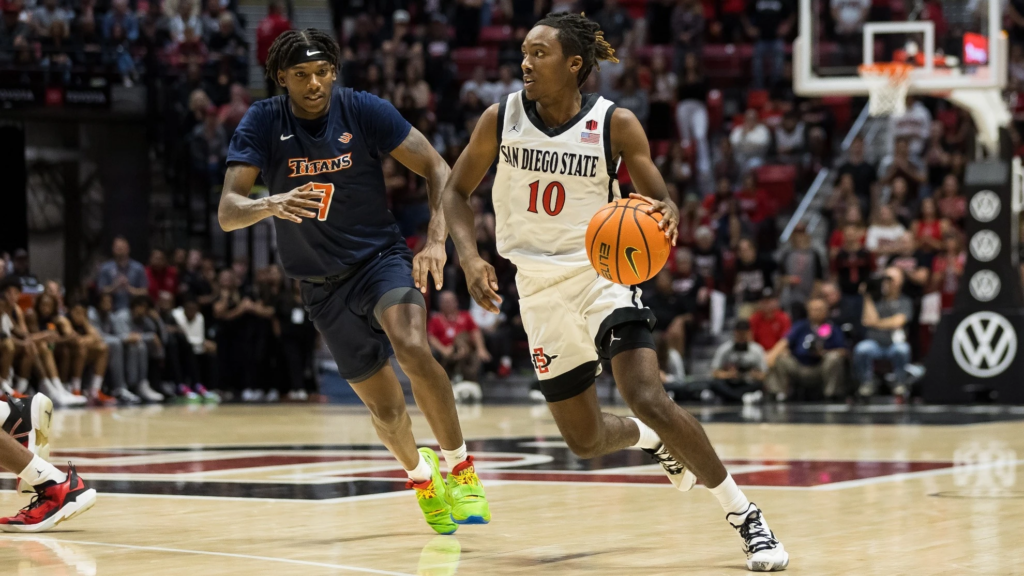
The Sixth Man of the Year award honors reliability and impact within rotation balance. BJ Davis has provided San Diego State with both.
Davis offers perimeter scoring and defensive consistency without disrupting the Aztecs’ structure. His ability to enter games and maintain tempo ensures that San Diego State does not lose identity when starters rest.
Depth is critical in conference play, and Davis has been central to sustaining that stability across forty minutes.
Awards debates are rarely unanimous, and this season is no exception. The Mountain West featured elite scorers, versatile defenders, and programs that adapted and evolved across conference play. Whether voters align with these selections or not, the depth and competitiveness of the league have defined the year.
With postseason play ahead, the resumes are complete. Now the margins grow thinner — and the stakes higher.


About the Author