#image_title
 0
0
 0
0
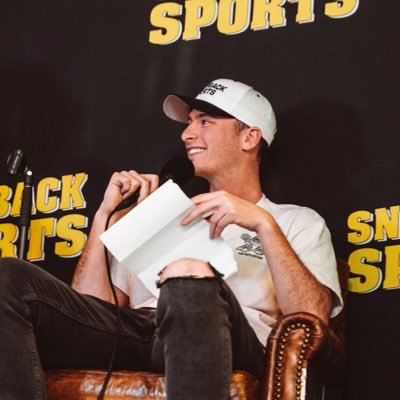
Snapback Sports has always thrived at the intersection of college football culture and internet chaos. Now the creator-driven media brand is chasing something no TikTok page or X account has ever had: its own logo stitched onto an NCAA football jersey. On the heels of the NCAA’s decision to approve commercial jersey patches beginning August 1, founder Jack Settleman has put $100,000 on the table for the first Division I program willing to wear Snapback on its chest—and, in the process, test the future of how college programs, creators, and sponsors work together.
From Content Page to Jersey Patch
Snapback Sports started as a digital-first outlet, blending sharp CFB analysis, fan-driven memes, and creator collabs into a voice that resonates with the post-NIL generation. What sets them apart isn’t just the content—it’s the audience: young, engaged, and primed for brands that feel like peers rather than corporations.
A jersey patch isn’t a gimmick for Snapback; it’s evolution. They’ve built a following by owning the chaos of game days, rivalries, and recruiting drama. Now, they’re flipping the script: instead of reacting to college football, they want to be part of it, turning passive viewers into jersey-wearing evangelists.
The Rule Change That Changed Everything for Snapback and Settleman
The NCAA’s green light on commercial jersey patches marked a seismic shift. For decades, uniforms stayed sacred—reserved for manufacturers and the occasional conference logo. But with NIL 2.0 and revenue-sharing pressures mounting, schools can now monetize every inch of fabric.
Snapback pounced faster than legacy sponsors like banks or car dealers. They saw the patch not as billboard space, but as an attention asset: a viral hook that lives in highlight reels, NIL deals, and fan photos. This agility—rooted in creator speed—positions them to pioneer a new sponsorship model where media brands buy into narratives, not just eyeballs.
The Snapback $100K Bounty and the Race to Be First
Settleman’s public bounty turned heads: $100,000 to the first D1 program that patches Snapback onto its football jerseys. It wasn’t a quiet negotiation—it was an open casting call, amplified across Instagram Reels and X threads asking fans, “Who deserves it next?”
The move weaponized virality. Programs buzzed, collectives weighed in, and Snapback’s follower count spiked as schools from mid-majors to Power 4 contenders entered the chat. By crowdsourcing the hype, they slashed customer acquisition costs while building authentic buzz. Being first isn’t just about the logo—it’s about owning the story of college football’s commercialization era.
ULM Steps Up: First Mover, Smart Bet or Risky Swing?
University of Louisiana Monroe made the first formal move, with athletic director S.J. Touhy reaching out to strike a deal. For a Sun Belt program like ULM, it’s a savvy power play—grabbing national eyes on a shoestring budget while aligning with Snapback’s scrappy, underdog vibe.
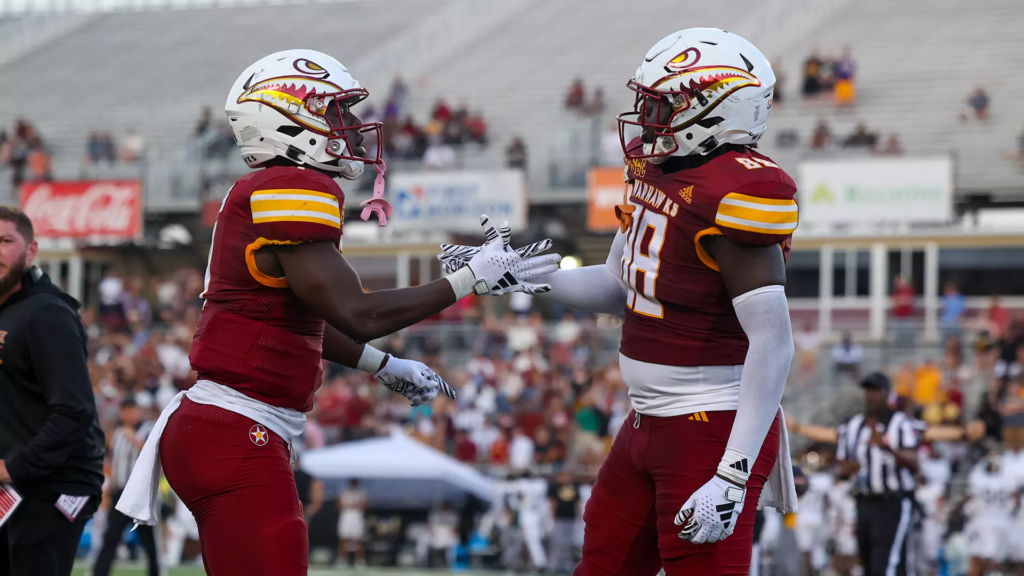
First isn’t always best if it means settling for flash over fit, but ULM checks key boxes: Group of Five relevance, improving on-field product, and a fan base hungry for spotlight moments. If Snapback bites, Warhawks become the poster child for creator patches, elevating mid-majors.
Choosing the Right School (and Why It’s Hard)
Not every program fits. Snapback needs a school with national TV windows, rabid social followings, and an AD comfortable with non-traditional partners. On-field relevance matters—pair the patch with playoff contention, and it’s gold—but so does fan alignment: a base that overlaps with Snapback’s ironic, high-energy vibe.
Challenges abound: compliance hurdles, booster pushback, and the risk of overexposure. Settleman has teased evaluating “fit” over flash, hinting at schools where the patch fuels season-long content—from tailgate takeovers to player shoutouts. The right match turns a one-year deal into a multi-year dynasty.
What This Means for CFB Sponsorships
Snapback’s quest foreshadows a creator invasion on uniforms. Expect more media brands, NIL collectives, and even fan-voted patches as schools chase younger dollars. Traditional sponsors will adapt or fade—those who blend storytelling with static ads win.
If Snapback lands the patch, they rewrite the playbook: sponsors as co-narrators, not silent logos. For a sport awash in revenue needs, this could unlock billions in micro-deals, blurring lines between brand, broadcaster, and bench until college football feels truly fan-owned. The first media patch won’t just be history—it’ll be the blueprint.
Snapback Sports isn’t just bidding for a patch—they’re betting on a future where creators don’t just cover college football, but shape it. If they thread the needle with the right program, they’ll pioneer a sponsorship model that turns every highlight, tailgate, and touchdown into branded storytelling gold. In an era of NIL chaos and revenue hunts, being first means owning the blueprint: media brands as partners, not peripherals, in the sport’s next evolution. The clock’s ticking—which school claims history?
If you are interested in following up on CEO Jack Settleman and Snapback Sports Journey to become the first Media company with a sponsorship deal, follow their YouTube channel HERE.


About the Author