
#image_title
 0
0
 0
0

Miami–Indiana sets up as a contrast in program stories: Indiana as the fully formed Cinderella, Miami as the blue‑blood trying to reclaim its edge behind a ferocious front. Indiana’s balance and quarterback play give the Hoosiers a slight edge, but Miami’s defensive line is the great equalizer that keeps this from being a coronation. Only time will tell if the classic coaching Mantra, “Defense Wins Championships,” really stands true in the CFP.
Setting the stage for the CFP Title Game
- Indiana arrives at 15–0 with blowout wins over brands like Alabama and Oregon, transforming what once looked like a fairy tale into a full‑fledged powerhouse run.
- Miami counters at 13–2 with a defense that has carried the Hurricanes through tight, physical games and surged enough late that sharp bettors pushed the line toward the underdog.
This feels less like David vs. Goliath and more like two teams meeting at the peak of their identities: Indiana leaning into precision, Miami into disruption.
Miami’s identity and hot take
Miami’s path here has been defined by its front seven, which ranks among the nation’s best in pressure rate, hovering around 40.6% and sitting top‑five nationally. That same pressure formula has been the one thing that has bothered Indiana in its three close calls, where opposing defenses got to Fernando Mendoza on 40% or more of his dropbacks.
- The Hurricanes’ run defense has consistently squeezed opponents, as seen even in the Fiesta Bowl, where Ole Miss managed just 145 first‑half yards and lived on one explosive play while going 0-for-5 on third down early.
- When Miami dictates downs with negative plays and early pressure, it turns games into field‑position grinders, which fits a title‑game script where every possession feels heavier.
Miami hot take: Miami’s defensive line doesn’t just keep this close; it flat‑out holds Indiana under 27 points for the first time since September, forcing the Hoosiers to win a game that looks nothing like their playoff blowouts.
Miami’s CFP Difference Maker: Rueben Bain Jr.
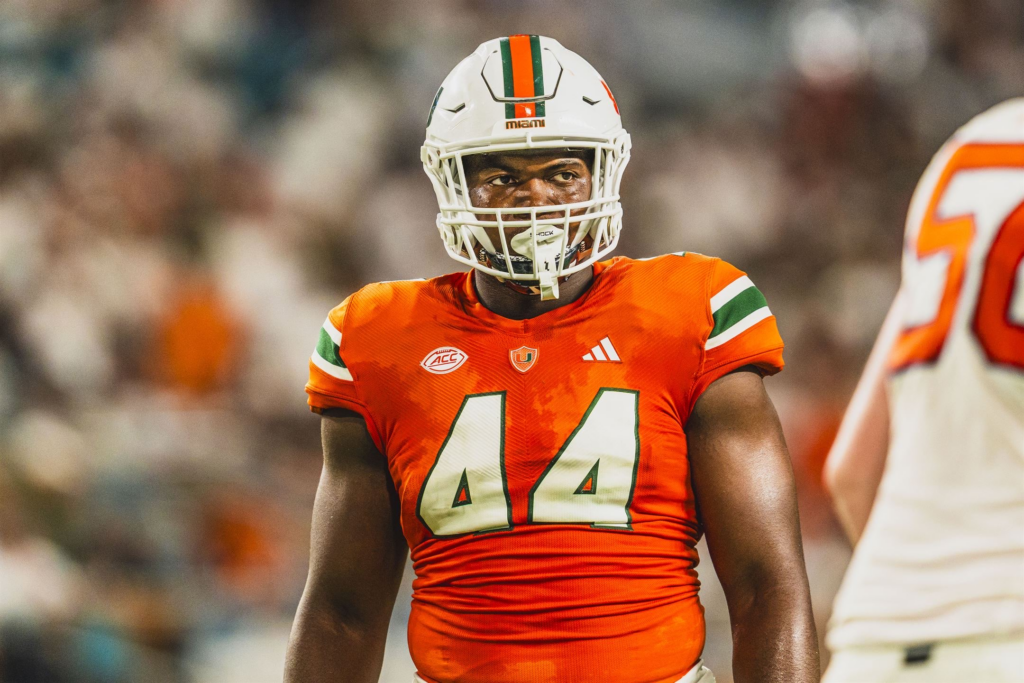
If Rueben Bain Jr. turns this into a trench game instead of a timing game, Miami can flip the entire script and walk out with the CFP trophy. The junior defensive lineman has totaled double‑digit career sacks and has shown a knack for taking over big stages, including a 3-sack outburst late in the 2025 season that reminded everyone why he was a five‑star disruptor.
- If Bain lives in the backfield — think 1.5+ sacks, multiple hits and several “even the quick game isn’t safe” hurries — Indiana’s clean, on‑schedule operation suddenly turns into a scramble drill.
- That version of the game forces Mendoza into the kind of rushed, off‑platform throws that turn Miami’s pressure into takeaways, mirroring how heavy heat has been the only thing to knock Indiana’s offense out of rhythm all year.
The story almost writes itself: if Bain becomes the most dominant player on the field, Miami’s defense stops being the underdog counterpunch and becomes the centerpiece of an upset.
Indiana’s identity and hot take
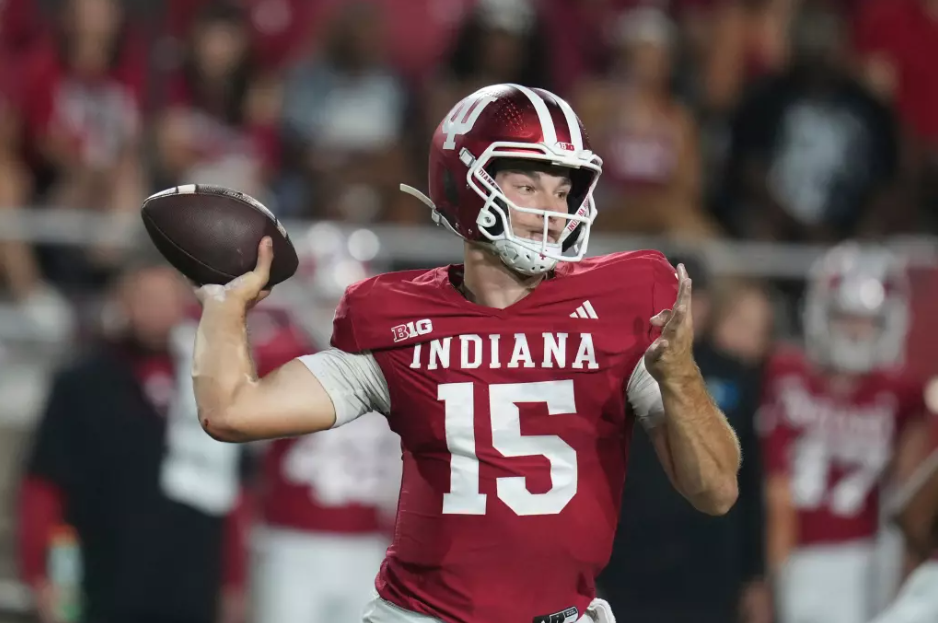
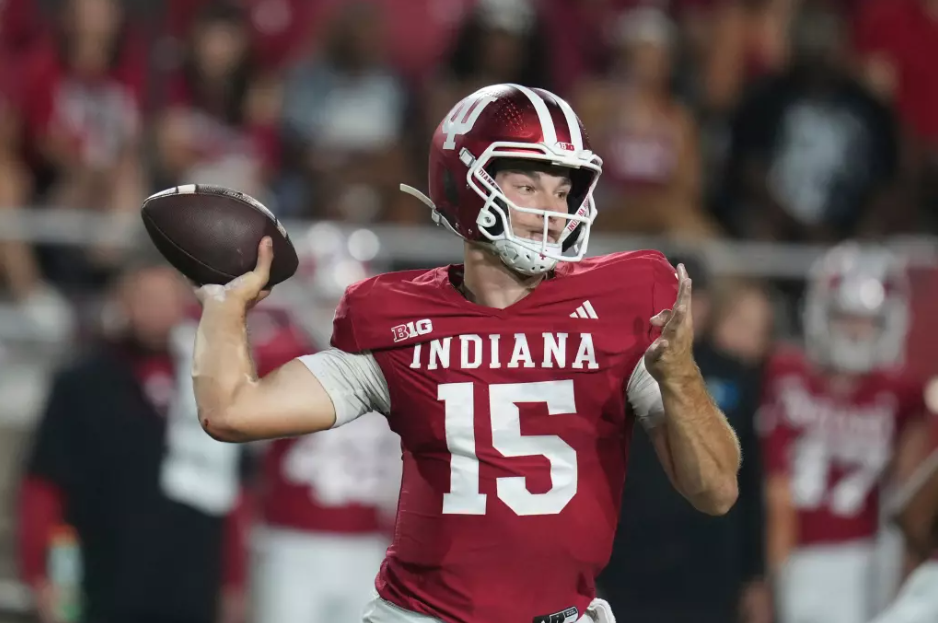
Indiana’s leap has been powered by a ruthlessly efficient offense and a defense that steadily squeezed opponents as the season wore on. Fernando Mendoza has been the stabilizing star, completing roughly 72% of his passes with a 32–5 TD‑INT line, giving Indiana a clean, on‑schedule operation that rarely beats itself.
- The Hoosiers’ pass game carries real teeth: multiple receivers over 600 yards and double‑digit touchdowns have stretched defenses horizontally and vertically, forcing single‑high looks and opening run lanes.
- On the ground, Indiana has two veteran backs, led by Roman Hemby, who combined for the bulk of the rushing workload and allowed the offense to stay patient and balanced.
Indiana hot take: Mendoza doesn’t just handle Miami’s pressure; he posts his highest passer rating of the postseason, leveraging quick game and RPOs to turn Miami’s aggression into explosives after the catch.
Indiana’s CFP Difference Maker: Omar Cooper Jr.
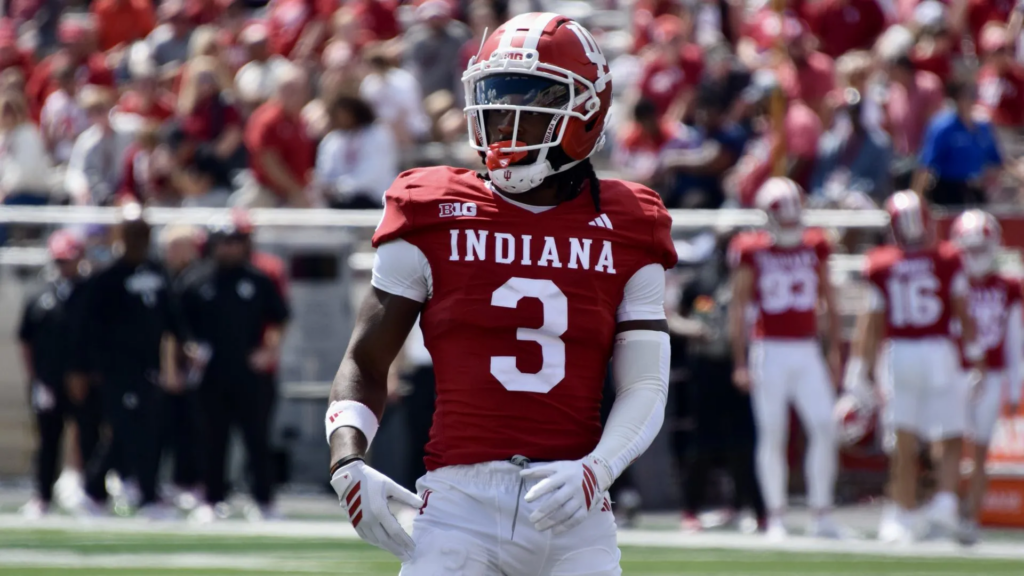
If Omar Cooper Jr. becomes the matchup Miami never solves in tonights CFP, Indiana can turn this into the kind of game it wants — efficient, explosive, and played on its terms. The junior wideout leads the Hoosiers in receiving yards, sits near 900 for the year, and is the trusted chain‑mover who can also hit vertical shots off play‑action.
- If Cooper owns the intermediate windows — think 7–10 catches, constant wins on digs, outs and glance routes — he gives Mendoza the easy answers against pressure that turn third‑and‑7 into second‑and‑3.
- Once Miami has to tilt coverage his way, Indiana’s other weapons and the run game find lighter boxes, and the Hoosiers can go back to the balanced, patient attack that wore down Alabama and Oregon.
Your hinge is simple: if Cooper controls the passing game, Indiana doesn’t just survive Miami’s pass rush — it weaponizes it, using quick separation and YAC to keep the chains and the scoreboard moving.
Data‑backed pivot points
This game swings on a few data‑driven pressure points that will shape the narrative more than any single trick play.
- Pass rush vs. poise: In Indiana’s tightest wins (Iowa, Penn State, Ohio State), heavy pressure forced them into long‑yardage and razor‑thin margins, while clean pockets yielded the comfortable wins over Alabama and Oregon.
- Early downs efficiency: Indiana’s season‑long profile is built on staying ahead of the chains with a near 72% completion rate and over 5.5 yards per carry, while Miami wants second‑and‑9, not second‑and‑4.
- Explosives vs. drive ball: Miami’s defense has occasionally bent on big plays, but in games like the Fiesta Bowl, it suffocated sustained drives (no third‑down conversions early and only 13 points allowed before adjustments).
If Miami can turn this into a series of third‑and‑longs and force Indiana to win through contested throws outside the numbers, the Hurricanes drag the Hoosiers into a style of game they haven’t dominated all year. If not, Indiana’s balance eventually finds its rhythm and wears down even a deep Miami front.
Final score and winner
The title game often comes down to which team can stay itself under stress, and Indiana has been the more week‑to‑week consistent operation while handling elite competition. Miami’s defensive line will land its shots and keep this in doubt into the fourth quarter, but Indiana’s efficiency, depth at the skill spots, and Mendoza’s composure tilt the final possessions.
Prediction: Indiana 30, Miami 24 — Indiana wins the national championship.


About the Author