 0
0
 0
0
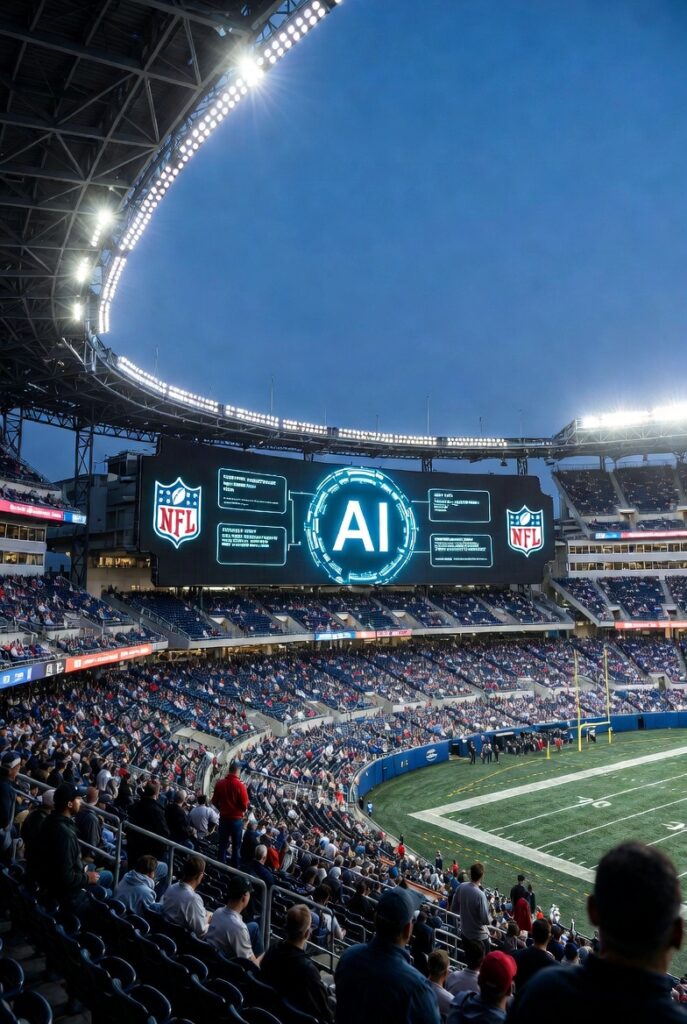
Imagine a Sunday afternoon where the roar of the crowd hangs on a split-second decision not from a ref’s whistle, but from an unblinking digital eye that dissects every inch of the play. No more heated debates over phantom penalties or botched ball spots; instead, a seamless fusion of human grit and machine precision that elevates the game to godlike accuracy. This all came about as my dad astutely pointed out on the SOTG radio show, AI is already knocking on pro sports’ door with MLB next up in a groundbreaking move this upcoming season. But what if the NFL embraced this tech tsunami? Buckle up as we dive into a world where algorithms call the shots, transforming chaos into clarity and turning every snap into a symphony of data-driven drama.
The Dawn of AI Umpiring: MLB’s Challenge System Takes Center Stage
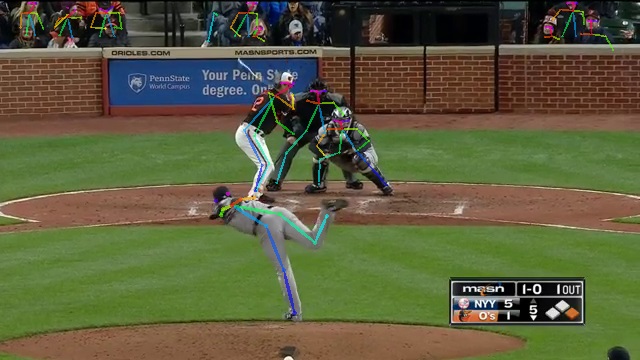
Major League Baseball isn’t just dipping its toes into AI it’s cannonballing in with the Automated Ball-Strike (ABS) Challenge System, set to debut full-time in the 2026 season. Powered by Hawk-Eye technology (the same wizardry that’s been a staple in tennis for years), this isn’t a full robot takeover. Human umpires still handle the live calls for balls and strikes, preserving that classic on-field tension. But here’s the game-changer: teams get a limited number of challenges per game typically two or three to contest those calls.
When a challenge is issued, the ABS system kicks in instantaneously. Using a network of high-speed cameras tracking the ball at 300 frames per second, it maps the pitch’s trajectory against a predefined strike zone tailored to each batter’s height. The review happens in seconds, with the result displayed on stadium screens and broadcast feeds. No more “human error” excuses for that borderline slider it’s pure, impartial tech arbitration.
This hybrid approach stems from years of testing in the minors, where full ABS (automated calls on every pitch) was trialed but deemed too disruptive for the majors’ pace and traditions. Instead, the challenge system keeps the human element alive while injecting AI as a safety net, potentially reducing blown calls by up to 20% based on minor league data. For fans, it means fewer arguments and more focus on the action think of it as baseball’s version of instant replay, but hyper-precise and lightning-fast.
Tennis’s Tech Triumph: Hawk-Eye’s Two-Decade Domination
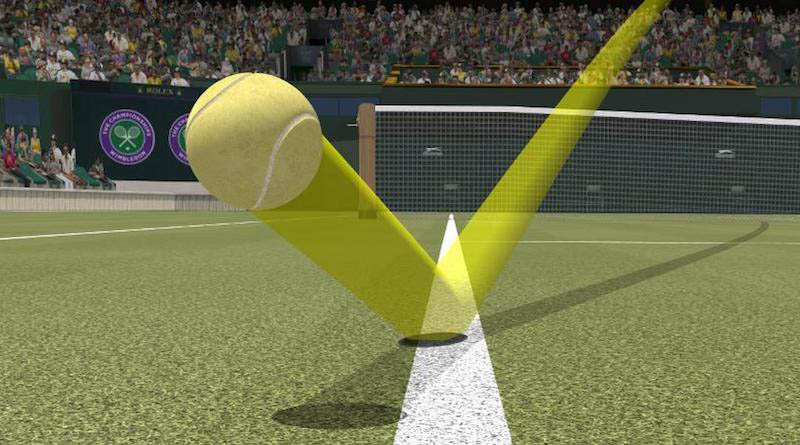
If MLB is the new kid on the AI block, tennis has been the trailblazer, wielding Hawk-Eye since 2006 to settle those nail-biting line disputes. It all started at the Hopman Cup in Perth, Australia, but quickly went global, making its Grand Slam debut at the US Open that same year. By now, in 2026, it’s been revolutionizing the sport for a solid 20 years, embedded in over 90 tournaments annually.
Here’s how it works: Players get a set number of challenges per set (usually three, with extras in tiebreaks), and when they contest a line call, Hawk-Eye springs to life. A constellation of 10-12 cameras around the court captures the ball’s path at blistering speeds, triangulating its bounce with millimeter accuracy down to 3.6mm margins of error. The system then generates a 3D animation replay, projected on massive screens for the crowd, showing exactly where the ball landed relative to the line. In or out? The verdict is final, no appeals.
This tech has slashed controversy in high-stakes moments, like Serena Williams’ infamous 2009 US Open foot-fault flap or Novak Djokovic’s laser-precise baselines. It’s not just fairer; it’s faster, keeping matches flowing without endless arguments. Challenges add drama too fans hold their breath for that animated reveal, turning potential meltdowns into must-see TV. Tennis pros credit it with boosting trust in officiating, and it’s even evolved to handle electronic line calling in some events, ditching human line judges altogether for pure AI autonomy.
Envisioning AI’s Gridiron Glory: Real NFL Scenarios Transformed
Now, let’s teleport this tech to the NFL, where split-second judgments can swing Super Bowls and shatter legacies. Picture AI not as a replacement for refs, but as an omnipotent ally much like MLB’s challenges or tennis’s Hawk-Eye ensuring justice in the game’s gray areas. We’re talking computer vision, machine learning, and real-time data crunching to dissect plays with surgical precision.
Take the infamous 2019 NFC Championship: Saints vs. Rams, where a blatant pass interference on Nickell Robey-Coleman went uncalled, costing New Orleans a trip to the Super Bowl. In an AI-integrated world, coaches could challenge via headset, triggering a Hawk-Eye-style system with stadium cameras and embedded ball sensors. AI algorithms would analyze trajectories, player contact, and intent in milliseconds, rendering a 3D replay overlay showing the interference path. No more “non-reviewable” excuses fans see the truth, and the call flips, sending Drew Brees to glory.
More Examples
Or rewind to Super Bowl LII’s “Philly Special,” where Corey Clement’s toe-tap catch was upheld after review. AI could elevate this: Using biomechanical models and ultra-high-res frames, it detects if the ball was secured through the ground or if a foot dragged out-of-bounds. Imagine the broadcast: A holographic breakdown pops up, tracing the ball’s wobble and Clement’s grip strength via sensor data from smart gloves. Result? Undeniable proof, quelling debates and letting the game roar on.
Fast-forward to player safety AI’s stealth superpower. In a 2024 Chiefs-Bengals thriller, Patrick Mahomes scrambles and takes a helmet-to-helmet hit. Current protocols rely on spotters, but AI wearables (already in testing via NFL-Microsoft partnerships) could flag concussions instantly by monitoring biometrics like acceleration and brainwave shifts. Coaches get alerts: “High-risk impact detected—pull player.” This isn’t sci-fi; it’s building on existing “Digital Athlete” sims that predict injuries before they happen, potentially cutting concussions by 25%.
Even officiating basics get a boost: Offsides? AI tracks every lineman’s twitch with laser grids, buzzing flags pre-snap. Fumble recoveries? Ball-embedded chips confirm possession down to the inch, ending those pile-up scrums. The NFL’s already dipping in with AI for scheduling and analytics why not officiating? It could slash errors, amp up fairness, and keep the human refs as the heartbeat while machines handle the headaches.
The Double-Edged Sword: Thrills, Chills, and the Human Soul of Football
Of course, this AI utopia isn’t without pitfalls. Purists might decry the loss of “human error” that adds unpredictability like those quirky ump calls in baseball or debated lines in tennis. Privacy concerns loom with player-tracking data, and tech glitches could spark new controversies (remember Hawk-Eye’s early tennis hiccups?). Yet, the payoff? A fairer, safer, more exhilarating game that draws in tech-savvy fans and minimizes scandals.
Pops sparked this question on SOTG; AI’s integration isn’t if, but when. The NFL could start small challenge systems for key calls mirroring MLB and tennis. Envision packed stadiums erupting over AI verdicts, broadcasts laced with augmented reality breakdowns, and a league that’s not just faster and stronger, but smarter. The gridiron revolution is coming will football embrace the machine, or risk getting left in the digital dust?


About the Author