 0
0
 0
0
Some sports years feel like reruns. Same contenders, same narratives, just slightly remixed. 2026 does not feel like one of those years. The trends building across baseball, football, and college athletics hint at something more volatile—a season where records, reputations, and even entire systems could be rewritten.
That’s where these three bold predictions come in: Shohei Ohtani delivers the greatest individual season baseball has ever seen, C.J. Stroud turns the Houston Texans into Super Bowl champions, and college football finally takes the plunge into a full-fledged Super-League era.
Shohei Ohtani: The 60-HR, 400-K Season That Breaks Baseball’s Brain
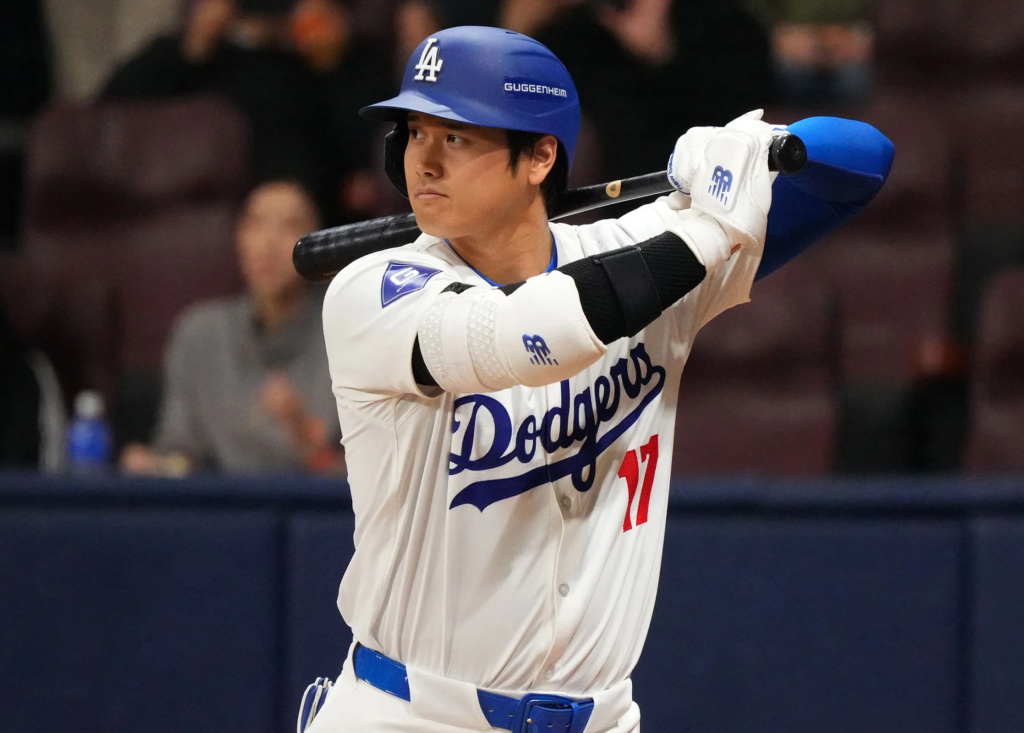
At some point, language runs out with Shohei Ohtani. He’s already won multiple MVPs and posted seasons that would be historic even if he were “just” a hitter or “just” a pitcher. In 2024 alone, he hit over .300 with more than 50 home runs and an OPS north of 1.000, numbers that already place him among the most dangerous bats in the sport.
Now picture a fully healthy, fully unleashed Ohtani returning to the mound in 2026 and putting together the kind of season that would have sounded like fan fiction 10 years ago: 60 home runs at the plate and enough strikeouts on the mound to eclipse Nolan Ryan’s single-season record of 383 from 1973. That number has stood for over half a century, in an era when starters regularly went deep into games and pitch counts were more suggestion than rule.
The case for this kind of insanity is simple: no one combines Ohtani’s raw power and swing efficiency with his strikeout arsenal. His offensive numbers have trended upwards as he’s refined his approach, cut chase rates, and tapped into more consistent hard contact. On the mound, his strikeout ability has never been in question—when healthy, he sits among the league leaders in whiff rate thanks to a fastball-splitter-slider mix that overwhelms hitters. Give that player modern recovery science, strict workload management, and a contender willing to maximize his usage, and suddenly the impossible doesn’t feel so far-fetched.
Would 60 HRs and 400 strikeouts be reckless to predict for anyone else? Absolutely. But Ohtani has already shattered every “no one can do that” barrier baseball tried to put in front of him. At this point, betting against the most complete player of the modern era feels more irresponsible than betting on him to deliver one more season that forces the sport to recalibrate what greatness looks like.
The Houston Texans Win the 2026 Super Bowl Behind C.J. Stroud’s Ascension, not Defensive Prowess
Every NFL era has a quarterback who announces, almost overnight, that the league’s balance of power has shifted. For the mid-2020s, that quarterback might be C.J. Stroud. As a rookie in 2023, he threw for over 4,100 yards with 23 touchdowns and only 5 interceptions, posting a passer rating north of 100 and instantly dragging Houston from the doldrums into relevance. He didn’t just flash potential—he delivered sustained, high-level efficiency in an offense that was still being built around him.
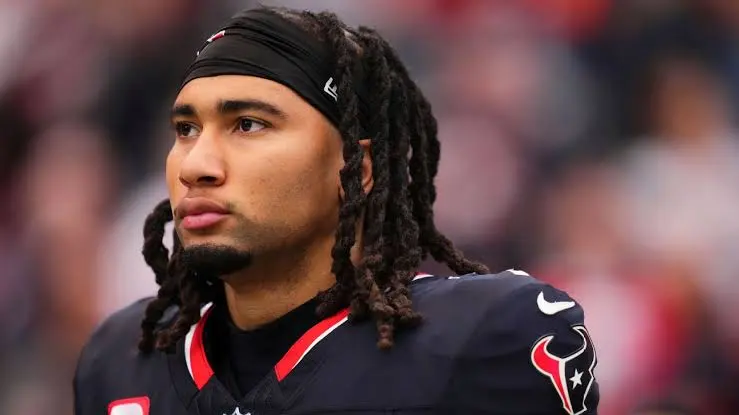
The Texans’ turnaround hasn’t been an accident. Under head coach DeMeco Ryans, the defense has become faster, more disciplined, and more opportunistic, complementing Stroud’s calm, surgical style on offense. His early postseason performance only strengthened the case. In his first playoff run, Stroud delivered over 270 passing yards and three touchdowns in a Wild Card blowout, tying a playoff record for touchdown passes by a rookie and posting one of the highest passer ratings ever in a postseason game. Those aren’t empty numbers; they’re a proof of concept that Stroud doesn’t shrink when the lights get brighter.
Project that forward to 2026. By then, the Texans’ young core will have two more years of cohesion, the front office will have had multiple offseasons to stack talent around Stroud, and his understanding of NFL defenses will only deepen. In a conference dominated by Patrick Mahomes and perennial contenders, Houston will look less like an upstart and more like the next inevitable powerhouse. The bold call here isn’t that the Texans will be good—that floor already feels established. It’s that by 2026, they’ll be the team standing on the final Sunday of the season, confetti falling, with Stroud officially elevated from “rising star” to “franchise quarterback who just reshaped the AFC.”
College Football’s Super-League: From Rumor to Reality by 2028
If MLB and the NFL are about player and team storylines, college football’s biggest drama is structural. The sport has been inching toward a Super-League reality for years—conference realignment, NIL chaos, and ballooning media rights deals all pushing in the same direction. By 2028, the prediction is simple: that future won’t just be whispered about, it will be official.
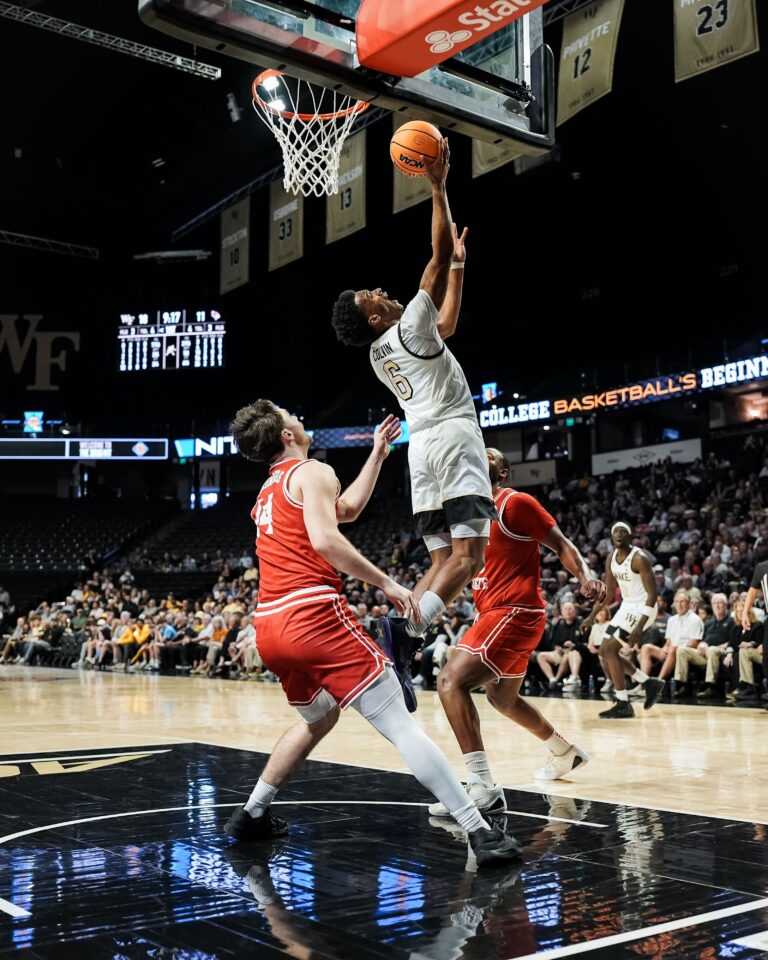
Recent moves have laid the groundwork. The SEC and Big Ten, already the wealthiest and most powerful conferences, have expanded aggressively, while the ACC and Big 12 scramble to maintain relevance and stability. NIL has introduced direct compensation into the equation, forcing schools and conferences to treat football more like a professional product than an extracurricular. At the same time, legal challenges like House v. NCAA have accelerated conversations about revenue sharing and player rights. The result is a widening gap between the top 40–50 programs and everyone else—a gap that looks tailor-made for a breakaway, Premier Division-style structure.
In this future, driven hard by 2026–2027 negotiations and backroom alignment, the Big Ten and SEC effectively anchor a new Super-League: a collection of elite brands operating under a single commercial umbrella, with standardized NIL rules, revenue sharing, and scheduling that guarantees weekly heavyweight matchups. Traditional rivalries will be reshaped, some historic programs will be left outside looking in, and the NCAA’s role will shrink even further. But the tradeoff—massive TV deals, playoff structures that resemble global football tournaments more than old bowl systems, and near-year-round national conversation—will be too lucrative for power brokers to resist.
Purists will hate it. They’ll be right about what’s lost: regional identity, underdog stories, and some of the quirks that made college football uniquely chaotic. But they’ll also watch. And that’s the crux of this prediction—the Super-League is not a radical departure from where the sport is going; it’s the logical conclusion of trends that are already reshaping the map in slow motion. 2026 won’t finish that transformation, but it could be the year the blueprint becomes impossible to ignore.
These predictions stretch the imagination, but they’re anchored in real performance, real data, and real financial incentives. Ohtani is already breaking molds, Stroud is already breaking records, and college football is already breaking its old structure. 2026 might simply be the year those cracks widen enough that everyone has to acknowledge what’s coming next.


About the Author