 0
0
 0
0
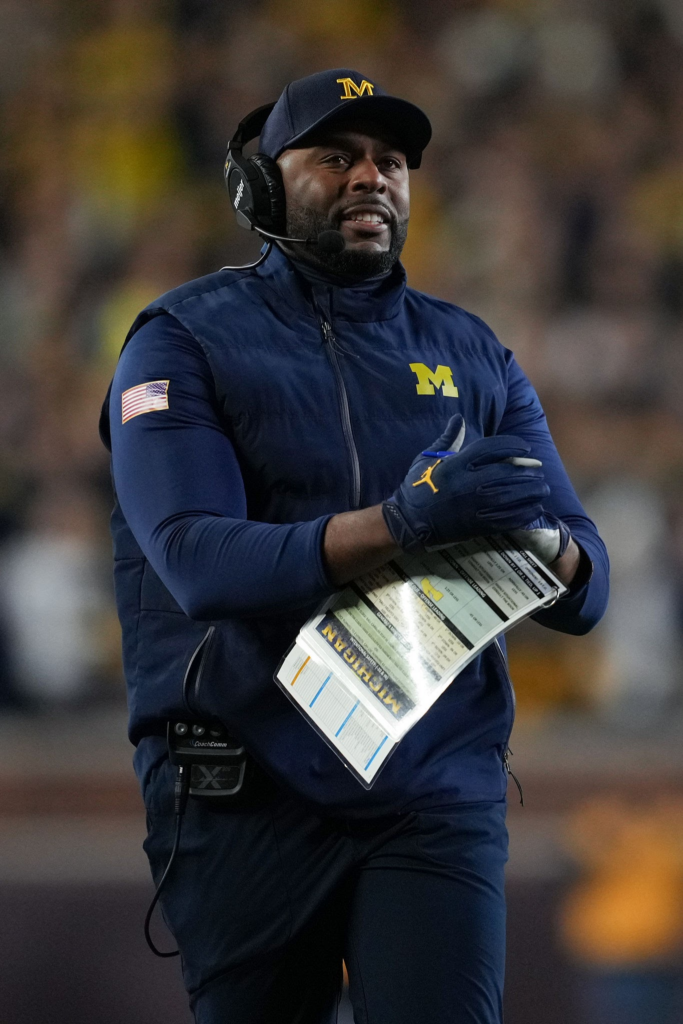
Michigan football is teetering on the edge of a full‑blown identity crisis after the sudden firing of head coach Sherrone Moore, a move that detonated in Ann Arbor just as the program was trying to move past years of scandal and transition. What had been framed as a handoff from a championship era to a stable new regime has instead become a jarring plunge back into uncertainty.
The firing and fallout
Michigan dismissed Moore for cause after determining he had an inappropriate relationship with a staff member, a direct violation of university policy that officials said left them no choice but to cut ties. The decision was announced abruptly and publicly, turning a behind‑the‑scenes investigation into a national story and instantly making one of the sport’s most coveted jobs available.
The situation escalated even further when Moore was taken into custody in Washtenaw County as a suspect in an alleged assault, tying his departure not only to workplace misconduct but also to an active criminal investigation. For a fan base that just watched him lead the team on fall Saturdays, the image of their coach in legal jeopardy has added a dizzying, almost surreal layer to the chaos.
A fast rise, a faster crash
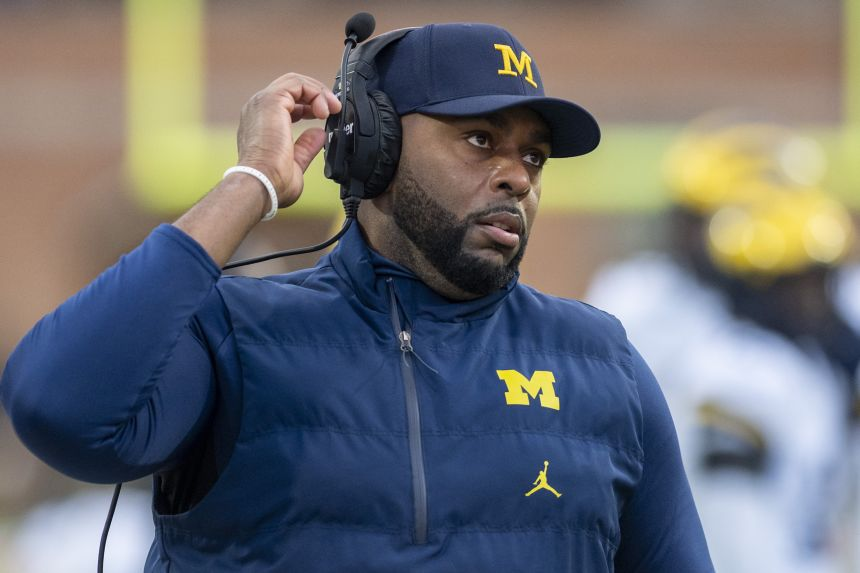
Moore’s trajectory had once looked like a Michigan success story: he helped orchestrate the offense during the Wolverines’ national title run under Jim Harbaugh, then took over the big chair and kept Michigan winning at a solid clip over two seasons. His teams stayed nationally relevant, contended in the Big Ten, and did enough to suggest that the program’s elite standard could survive the transition from Harbaugh to a new voice.
But from day one, his tenure was entangled with the fallout of the sign‑stealing and recruiting scandals that drew NCAA scrutiny and public criticism. The infractions decision hit Michigan with probation, recruiting restrictions, visit limits, and a show‑cause order for Moore tied to deleted messages and a lack of full cooperation, ensuring every win came with an asterisk of controversy.
Scandal on top of sanctions in Michigan
The latest misconduct allegations land on top of those NCAA penalties, stacking personal scandal on institutional baggage in a way that makes this meltdown feel different from a simple losing‑season firing. Michigan is not only replacing a coach; it is trying to rebuild trust among players, recruits, donors, and administrators who have spent years defending the block “M” against critics.
Inside the building, the combination of sanctions and Moore’s abrupt exit raises tough questions about culture, oversight, and accountability. Outside, rival programs can now point to Michigan’s turmoil in living rooms and transfer‑portal pitches, challenging the Wolverines’ long‑held image as one of the sport’s most stable bluebloods.
Poggi’s high‑wire audition
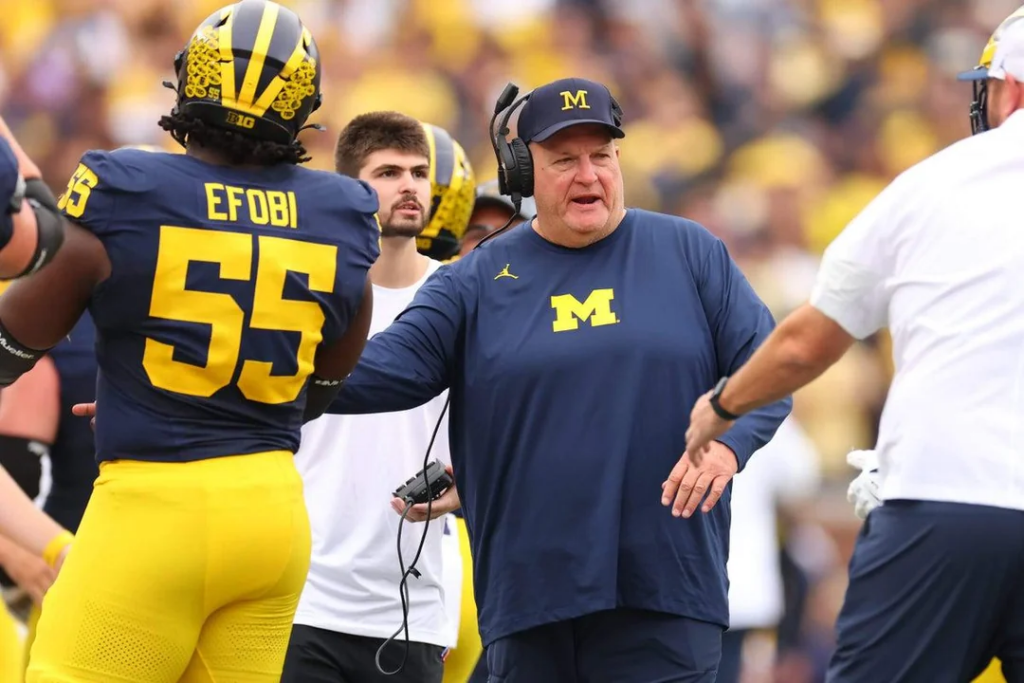
Into this storm steps interim head coach Biff Poggi, a former associate head coach with a reputation as a tough, no‑nonsense leader who connects well with players. He inherits a locker room full of veterans who signed up for championships, not crisis management, and must convince them that the season still matters with a bowl game looming.
Every meeting, practice, and snap now doubles as an informal job interview for Poggi. If he can steady the team, keep stars out of the transfer portal, and produce a sharp, energized performance in the bowl game, he gives Michigan’s administration a real decision to make before it turns fully to the open market.
The hunt for the next leader
Behind the scenes, the program’s power brokers are staring at a coaching search with unusually high stakes. Michigan remains a top‑tier job with massive resources, a huge fan base, and championship‑caliber facilities, but any candidate will have to weigh that against ongoing NCAA penalties, heightened scrutiny, and the long shadow of recent scandals.
The Wolverines must decide whether to chase another big‑name outsider, elevate a trusted insider, or target a rising star willing to embrace a rebuild under pressure. Whatever direction they choose, the next coach will walk into a program that still expects to beat Ohio State, win the Big Ten, and contend for national titles—no grace period, no time to catch a breath.
What this means for the future of Michigan Football
For players, the next few weeks could redefine careers: some will stay and become the backbone of the next era, others will jump into the portal or flip commitments as uncertainty drags on. For fans, the story has shifted from enjoying the glow of recent trophies to wondering whether that run was the start of a dynasty or the last blast before a hard reset.
Right now, Michigan football is living in the most dangerous place a powerhouse can be: between its glorious past and an unwritten future, with no guaranteed bridge from one to the other. The firing of Sherrone Moore is not just the end of a coaching tenure; it is the opening scene of a new, high‑stakes chapter that will decide how long the Wolverines remain among college football’s giants.


About the Author